What to look for when booking a desert safari
Booking a desert safari can feel like a gamble if you have never done it before. The brochures look similar, the descriptions promise adventure, and the prices vary widely. Without a clear idea of what matters, you could end up with a long wait in the heat, a rushed dune drive, or a meal that does not match what was shown online. The good news is that a few simple checks before you pay can save you from disappointment and make sure the experience lives up to the photos.
Safety standards and vehicle condition
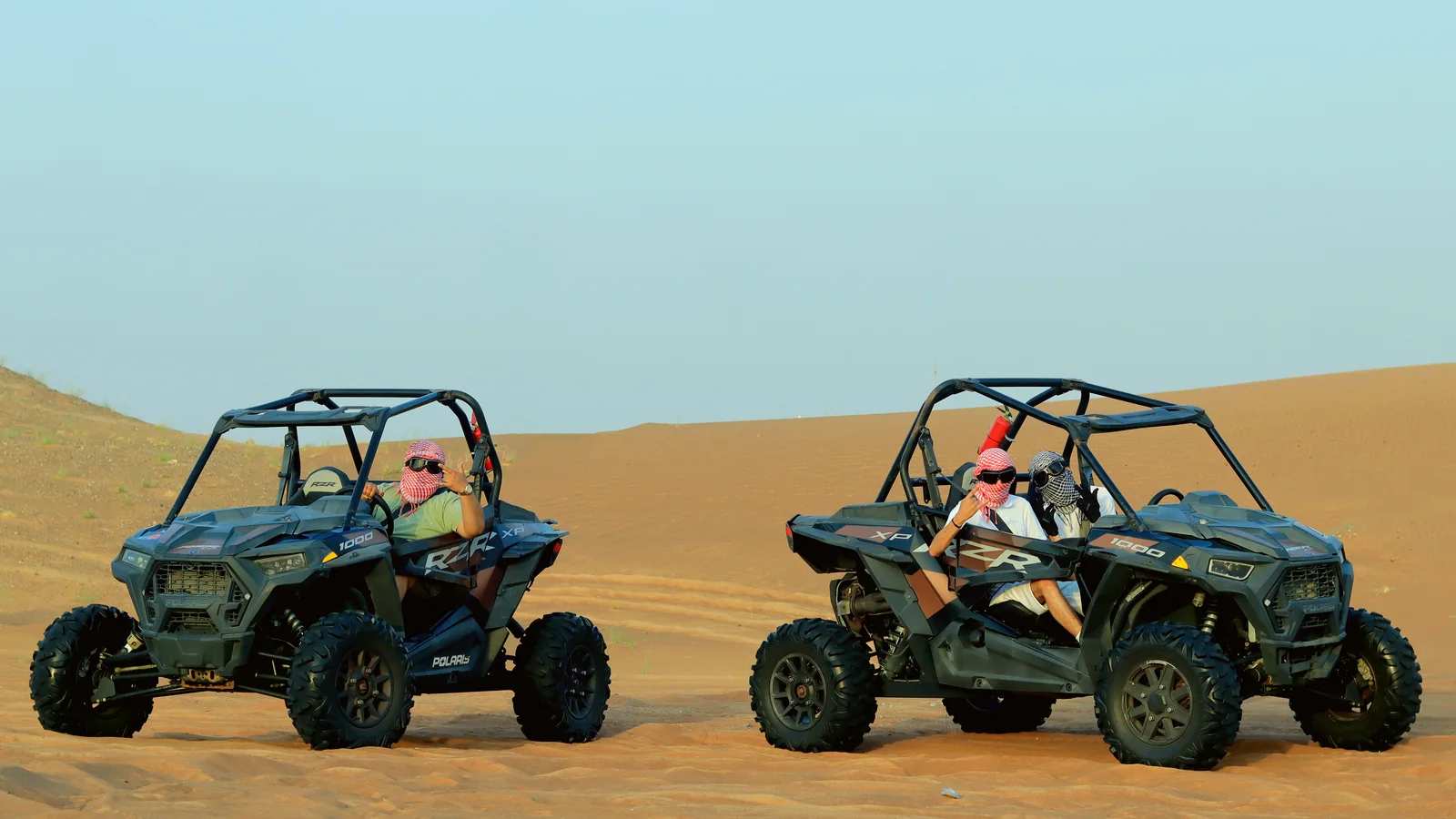
The most important thing to verify is how the operator handles safety. Desert driving is different from road driving. The vehicles take a lot of strain on the dunes, so they need regular maintenance. Ask whether the cars used for dune bashing are fitted with roll cages, seat belts for every passenger, and properly inflated tyres designed for sand. A reputable company will be happy to explain its safety checks. If the operator is vague or says everything is fine without giving details, treat that as a warning sign.
Also check whether the driver has experience on the specific terrain you will visit. A driver who knows the dunes can read the sand and avoid steep drops or soft patches that could cause a roll. It is reasonable to ask how long the guides have been working in the desert. A good operator will have a safety briefing before the drive and will insist on seat belts throughout. If you see a vehicle that looks battered or has missing safety gear, do not get in.
What the package actually includes
Many safari packages list a long menu of activities, but the fine print often reveals exclusions. Look for a clear breakdown of what is included in the base price. Common extras that catch people out are quad bike rentals, sandboarding equipment, and certain refreshments. Some operators charge extra for entry to a desert camp, while others bundle it. Check whether the barbecue dinner is a buffet or a set menu, and whether drinks are included or cost extra.
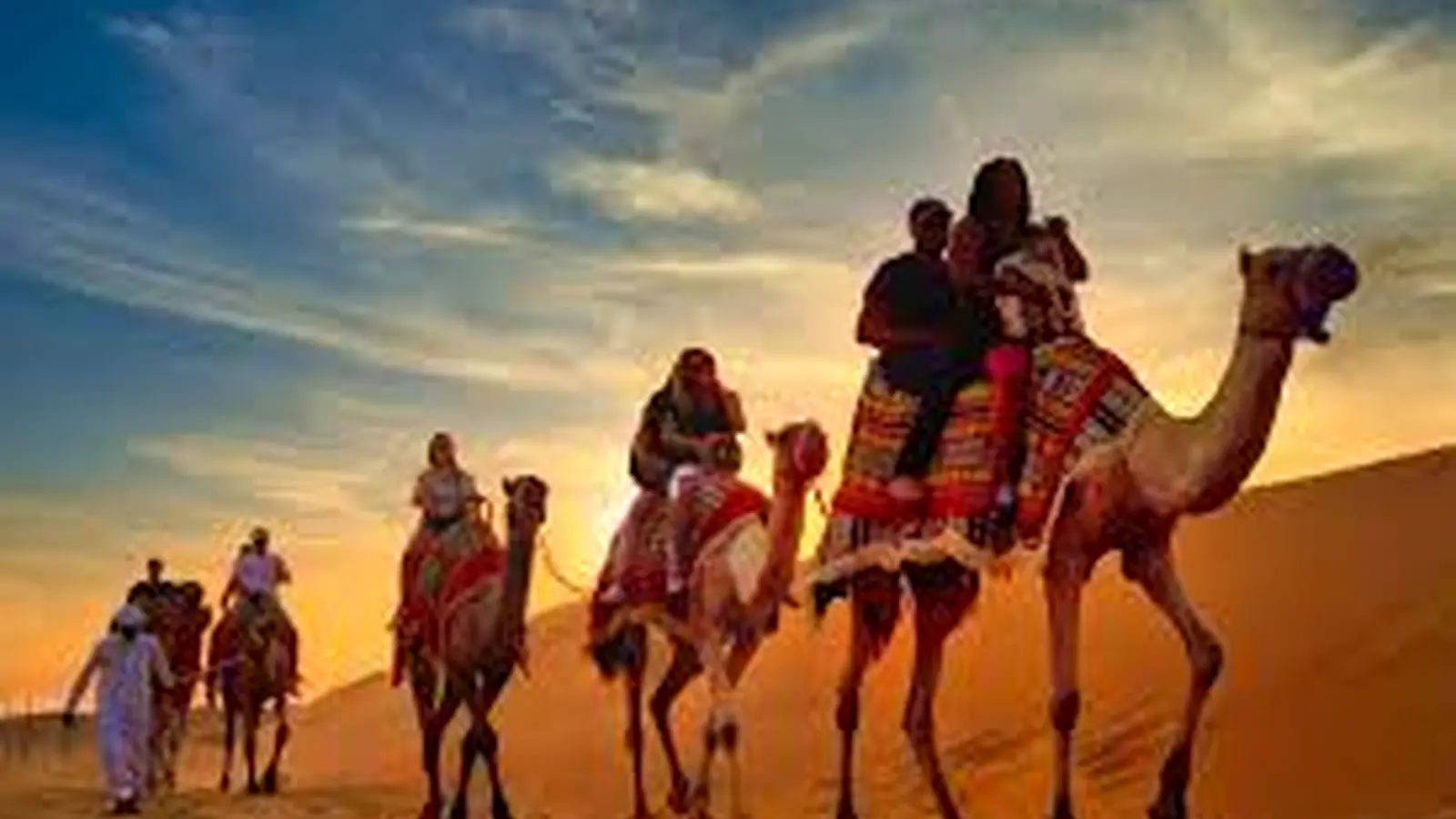
Another point to confirm is the duration of each activity. A two-hour dune bashing session is very different from a twenty-minute loop near the road. Likewise, a camel trek can be a short walk for a photo or a longer ride across the dunes. Knowing the time allocation helps you decide if the price is fair for what you actually want to do.
Timing and the type of safari
Desert safaris generally fall into three categories: morning, evening, and overnight. Each suits a different preference. A morning safari usually starts early, avoids the midday heat, and ends before lunch. It is a good choice if you want to see the desert in the cooler hours and have the rest of the day free. An overnight safari includes a night in the desert, often with a campfire, stargazing, and a barbecue dinner. It gives you the full experience but requires more time commitment.
For most first-timers, the evening desert safari dubai is the most popular option. It typically starts in the late afternoon, includes dune bashing as the sun drops, and ends with a dinner show under the stars. The timing means you get the dramatic desert sunset and the cool evening air. Before you book, check what time the pickup and drop-off happen. Some operators offer hotel transfers, while others expect you to meet at a central point. If the pickup window is wide, you might spend a lot of time waiting for other guests. A narrow window suggests a more organised operation.
Group size and vehicle capacity
Your experience on the dunes depends a lot on how many people share the vehicle. A jeep with six passengers feels very different from one with ten. Overcrowding makes the ride less comfortable and reduces the view from each window. Ask the operator how many people they put in a vehicle for dune bashing. Some companies run smaller groups for a more personal experience, while others pack the jeep to cut costs. If you are booking as a family or a group of friends, ask if you can have a vehicle to yourselves. Many operators will accommodate that request for an extra fee.
Camp quality and facilities
If the package includes a visit to a desert camp, find out what is there. Camps range from basic setups with a few mats and a fire to full entertainment venues with multiple dining areas, washrooms, and a stage. Check whether the camp has proper toilets and a clean area for eating. Some camps are very basic and lack shade or seating. If you are travelling with children or elderly guests, you will want a camp that offers comfortable seating and easy access to facilities.
Also look at what entertainment is on offer. Many camps include a tanoura dance performance, a fire show, and sometimes a henna painting station. These are part of the cultural experience for many visitors. If you are not interested in shows, a simpler camp might suit you better and cost less. Read recent reviews about the camp specifically, not just the safari overall. A great dune drive can be let down by a poor camp experience.
Food quality and dietary needs
The barbecue dinner is often a highlight of the safari, but the quality varies. Some operators serve freshly grilled meat, salads, and desserts. Others serve pre-cooked food that has been sitting in warmers. If you have dietary restrictions, check in advance. Vegetarians, vegans, and anyone with allergies should confirm that the meal options suit them. A good operator will accommodate common dietary needs if you tell them at the time of booking. If they cannot or will not, consider another company.
Ask what drinks are available. Some packages include water and soft drinks, while others charge separately. Alcohol is not served at most desert camps, so if that is important to you, confirm the policy before you book. The evening desert safari dubai typically includes a dinner buffet, and the quality of the food can make or break the evening. Look for recent reviews that mention the meal, not just the driving.
Pickup and drop-off logistics
Transport to and from the desert can add or waste a lot of time. Find out if the operator picks up from your hotel or a nearby location. Some operators offer shared transfers that stop at multiple hotels, which can stretch a thirty-minute trip into two hours. Private transfers cost more but save time and give you a fixed schedule. Also check what time the drop-off happens. If the safari ends late, you want to be sure you have a way back to your accommodation. Many operators return to a central drop-off point, so factor in the extra travel time from there.
What to bring and what to wear
A good operator will tell you what to bring, but it helps to plan ahead. The desert gets cold after sunset, even in warmer months. A light jacket or sweater is useful. Closed shoes are better than sandals for walking on sand, especially if you want to try sandboarding or climb a dune. Sunscreen, sunglasses, and a hat are essential for the afternoon part of the safari. If you plan to ride a quad bike or do a camel trek, long trousers and sleeves protect your skin from the sun and the animal.
Bring a small amount of cash for tips or for any extras not included in the package. Some camps have small shops selling souvenirs or refreshments. A phone or camera is fine, but keep it in a sealed bag or a pocket to protect it from sand. Sand can get into everything, so avoid taking anything you cannot afford to get gritty.
Reading between the lines of reviews
Online reviews help, but you have to read them critically. A string of five-star reviews that all sound similar may be fake. Look for detailed reviews that mention specific aspects: the driver's name, the quality of the food, the cleanliness of the camp, the length of the dune bashing session. A mix of positive and negative reviews is more trustworthy than a perfect score. Pay attention to how the operator responds to complaints. A company that replies with a genuine offer to fix the problem is usually more reliable than one that ignores criticism or gets defensive.
Also check the date of the reviews. Conditions can change quickly. A safari operator that was excellent two years ago may have new management or different vehicles now. Focus on reviews from the last few months. If you see repeated complaints about the same issue, such as late pickups or overcrowded vehicles, take that seriously.
Final practical checks before you confirm
Before you click the book button, confirm the cancellation and refund policy. Plans change, and you want to know what happens if you need to cancel or if the operator cancels due to weather. A flexible policy is a sign of a confident operator. Also check what happens in case of extreme heat or sandstorms. Reputable companies monitor conditions and will not run a safari if it is unsafe. Ask about their policy for such situations.
Finally, compare a few operators side by side. Look at the same type of safari, the same inclusions, and the same duration. The cheapest option is rarely the best value, but the most expensive is not always the best either. The right choice is the one that matches your priorities: safety, comfort, timing, and the activities you actually want to do. With a bit of homework, you can book a desert safari that delivers exactly what you hoped for.